
Choosing My Gear: Why I Landed on the Sony a7R IV and the Seafrogs SF10009

When I decided to take underwater photography seriously, I knew I needed a camera that felt familiar — something I could operate instinctively, even in a place where everything is harder: buoyancy, lighting, movement, and the simple act of pressing a button. Underwater, you don’t have time to think about where a setting is buried in a menu. You need muscle memory.
That’s what led me to the Sony a7R IV.
I’d already been using the Sony a6600 for work, and I knew the Sony ecosystem well. The menus, the button layout, the way Sony handles autofocus and exposure — all of it felt natural. Choosing the a7R IV meant I could take that familiarity underwater and cut down the learning curve dramatically. Instead of fighting with the camera, I could focus on the dive, the subject, and the shot.

From Camera to Housing: The Search Begins
Once the camera decision was made, the next step was figuring out how to get it underwater. That’s where the real rabbit hole begins. Housings are a world of their own — different materials, different port systems, different philosophies on design and ergonomics. And, of course, wildly different price tags.
I was scrolling through Facebook one day when I came across a post from the DEMA show featuring the Seafrogs SF10009 housing. What caught my attention wasn’t just the design — it was the price. Compared to the big names in the industry, it was dramatically more affordable. It reminded me of when Nauticam first entered the market years ago: lower prices, solid engineering, and a desire to prove themselves.
That thought stuck with me.
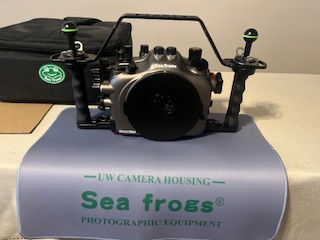
So I started messaging the manufacturer. A lot. Back and forth, asking questions, clarifying details, trying to get a sense of whether this was a serious piece of equipment or just a budget option dressed up to look the part. To their credit, they answered everything — quickly, clearly, and honestly.
Eventually, I decided to take the leap.
Building the System
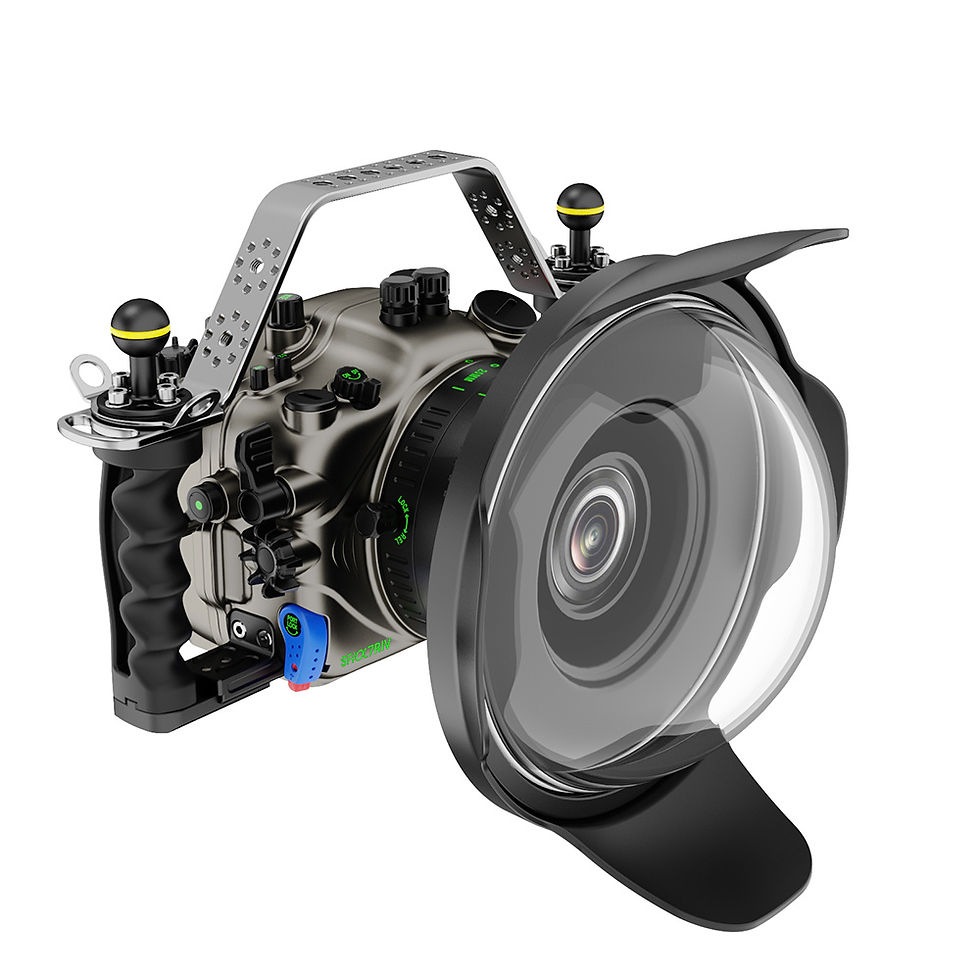
I ordered the SF10009 housing along with the 230mm dome port for wide‑angle work and the 90mm macro port for the smaller subjects I knew I’d eventually chase. The dome was especially important — big domes handle wide‑angle scenes beautifully, and I knew I wanted to shoot sharks, turtles, and reefscapes with as much clarity and natural perspective as possible.
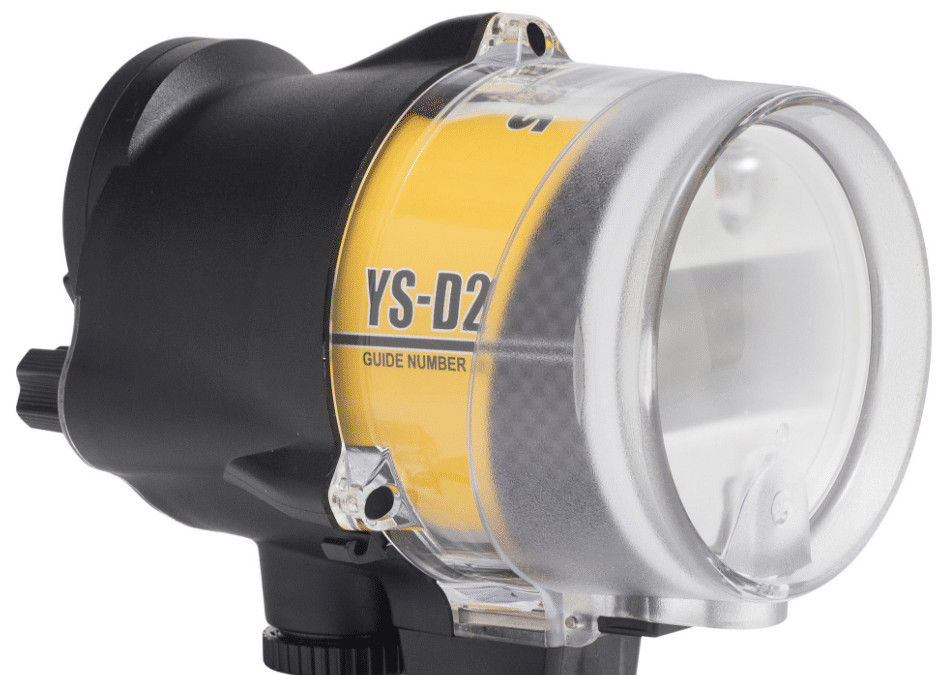
The strobes were the easy part. I already owned a Sea&Sea YS‑D1 and a YS‑D2, and they paired perfectly with the new setup. They’ve been reliable workhorses for me, and they help bring back the colour the ocean steals as you descend.
Looking Back, Looking Forward
Putting this system together wasn’t just about buying gear. It was about building the foundation for the next chapter of my life — a chapter where underwater photography isn’t just a hobby, but a passion I can pursue fully as I move toward retirement.
Every piece of equipment I chose had a purpose: familiarity, reliability, affordability, and room to grow. And now that I’ve spent time with this setup in the water, I can say it’s been the right choice for where I am and where I’m going.
This blog will be the place where I share how it performs, what I learn, and how the system evolves as I keep pushing myself — and my photography — deeper.

Comments