
Into the Wild North: Diving (and Troubleshooting) at Hakai Passage

Some work trips feel routine. Others feel like stepping into another world. My trip to Hakai Lodge on Calvert Island definitely belongs in the second category.
For anyone who hasn’t been there, Hakai Passage sits along the remote central coast of British Columbia — a place where the rainforest drops straight into the Pacific, where the tides move with real force, and where the wildlife feels raw and untamed. Hakai Lodge itself is perched on the edge of Calvert Island, surrounded by cold, nutrient‑rich water that’s usually full of life and dramatic underwater scenery.
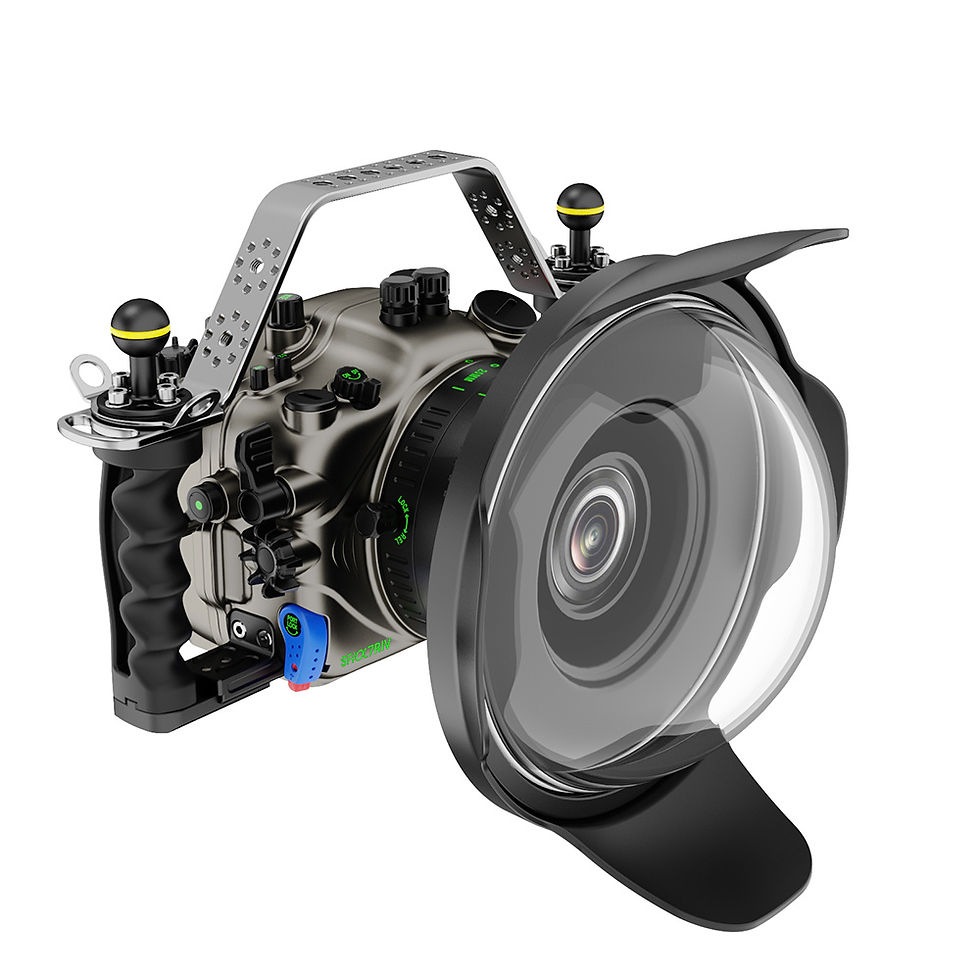
This trip was primarily for work, and that meant a lot of time underwater. But only four times did I get the chance to bring my camera system with me — four dives where I could finally put the Sony a7R IV and Seafrogs housing to the test in real ocean conditions.
Those four dives turned out to be a rollercoaster.

Four Camera Dives, Four Rounds of Trouble
Visibility was the first challenge. On most of the camera dives, it hovered around a metre — sometimes less. The kind of visibility where your own hand looks like it’s dissolving into fog. Wide‑angle photography? Not happening. Even macro was a struggle.
Still, I was determined to make the most of the limited camera dives I had.
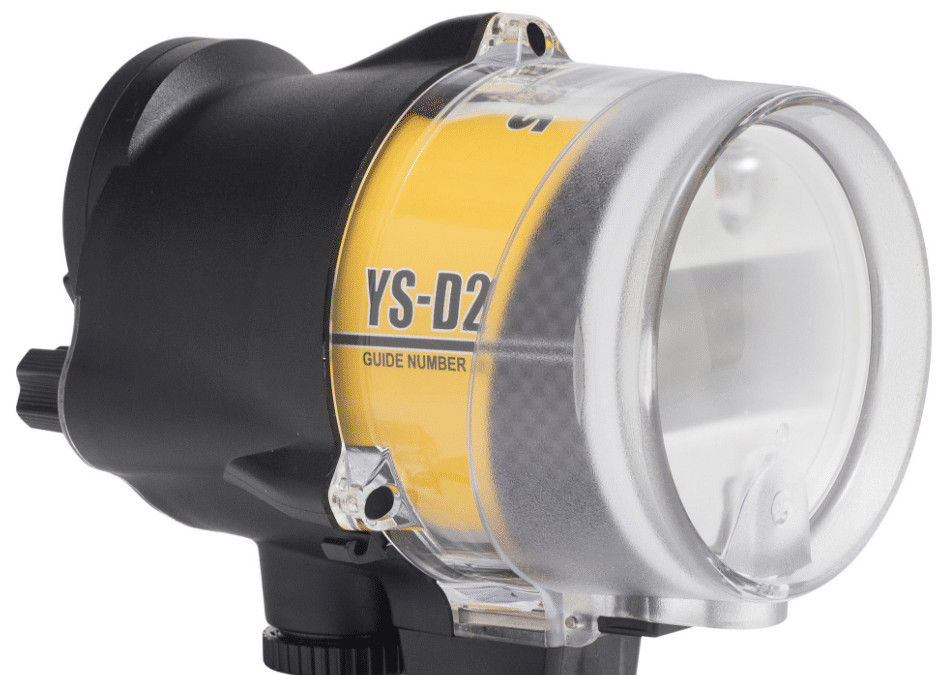
On the first dive, things actually started well. The housing felt solid, the controls were responsive, and I managed to grab a couple of decent shots despite the murk. But then my YS‑D2 strobe started showing the early signs of the failure so many people talk about: the manual power adjustment stopped responding, and TTL went straight to full power, blowing out every frame.
By the second camera dive, it was intermittent. By the third, it was unreliable. By the fourth, it was done.
Completely failed.
I switched to single‑strobe shooting with the YS‑D1, trying to salvage what I could in the soup‑like conditions. It wasn’t the photography‑focused trip I’d hoped for, but it was a real‑world test of the system — and a reminder that gear doesn’t always cooperate when you need it most.
And Then… the Red Light
As if the strobe failure wasn’t enough, something else caught my attention on one of the dives: a red blinking light on the outside of the camera — the vacuum indicator.
That light can mean one of two things:
Vacuum loss, or
Water detection
Neither is something you want to see at 20 metres.
What made it worse was the silence. Normally, if there’s a real issue, the system beeps loudly. This time? No alarm. Just that quiet, steady red blink.
In that moment, your mind goes straight to the worst‑case scenario: multiple thousands of dollars in camera gear, lenses, ports, and electronics potentially failing underwater.
At depth, with cold water pressing in around you, that tiny red blink feels like a punch to the gut.
I’ll save the full story of what that blinking light meant — and what happened next — for my next post. Let’s just say it added a whole new layer of excitement to an already unpredictable trip.
Stay tuned. The plot thickens.
Comments