
Taking the New Housing Under the Ice: A Cold‑Water Stress Test

Before I ever trusted my Sony a7R IV to the Seafrogs SF10009 housing, I wanted to know exactly what it could handle. It’s one thing to read specs and watch promo videos — it’s another to take a brand‑new piece of gear into a truly unforgiving environment. And where I live, there’s no better place to push equipment to its limits than under the ice.
This wasn’t a photo dive. This was a stress test.
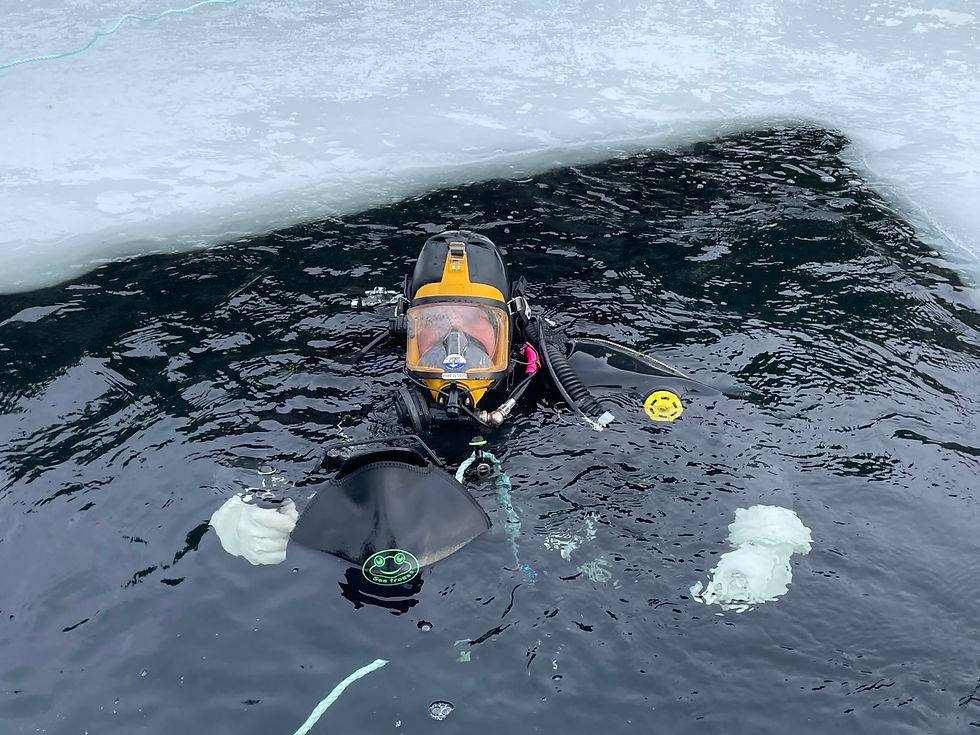
I brought only the housing and 230mm dome port. The goal was simple: find out how the system behaved in near‑freezing water, under pressure, in a real‑world environment where failure isn’t just inconvenient — it’s expensive.

Why Test Under Ice?
Cold water is brutal on gear. O‑rings stiffen, seals contract, and any weakness in a housing will show itself quickly. If a housing can survive an ice dive, it can survive pretty much anything I’m going to throw at it on a tropical trip.
Plus, I wanted to know how the controls felt with thick gloves, how the dome handled temperature changes, and whether the vacuum system held steady in the cold.
The Setup
For this test, I brought:
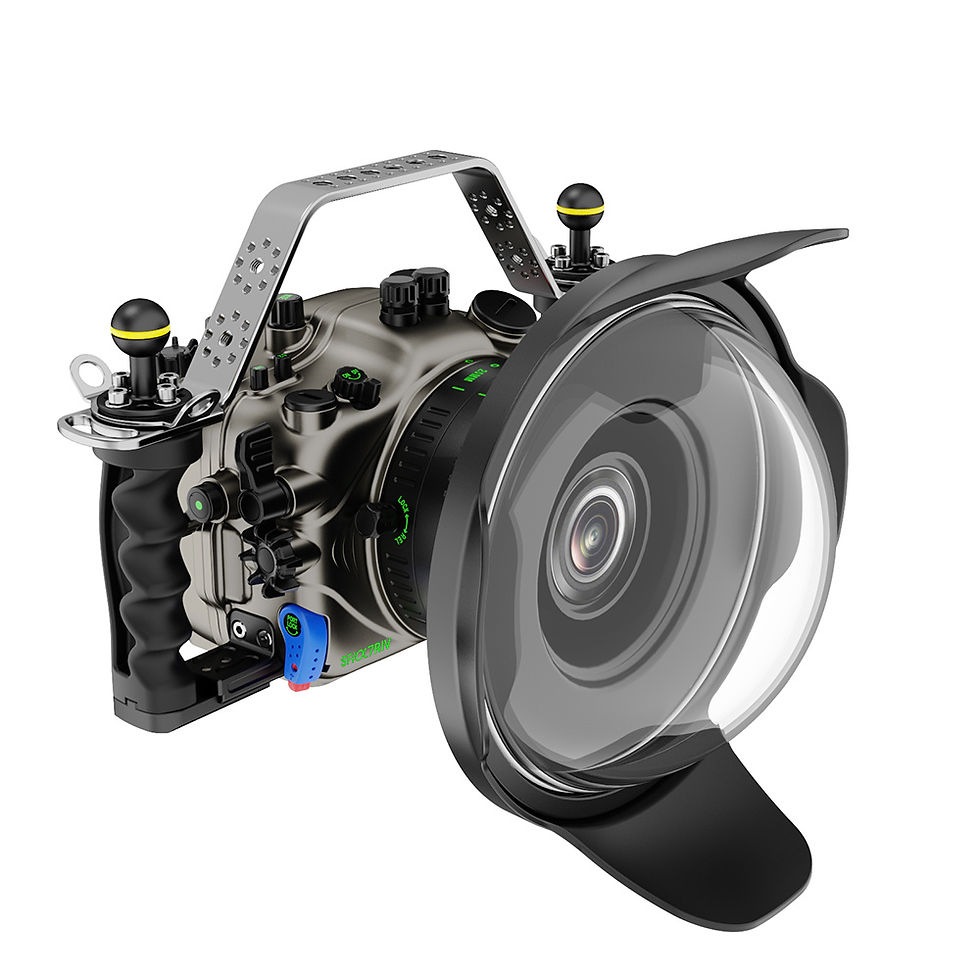
The Seafrogs SF10009 housing
The 230mm dome port
I also filmed a quick video review of the test, which you can watch here: https://youtu.be/B1FjkigcimE?si=ROq2zxlELx021Q6l
Dropping Into the Cold
The moment the housing hit the water, I was watching for bubbles, leaks, or any sign of trouble. The vacuum system held perfectly. The dome didn’t fog. The controls stayed responsive, even with thick gloves. And the housing felt surprisingly solid — more solid than I expected at this price point.
I moved it around, pressed every button, checked every seal, and let it sit at depth for a while. Still no issues.
For a first test, it passed with flying colours.
What I Learned
The SF10009 handles cold water better than I expected
The dome port didn’t fog or show stress fractures
The controls remained usable with gloves
The vacuum system stayed stable the entire dive
The housing felt balanced and comfortable underwater
Most importantly, I walked away confident enough to trust it with the a7R IV on future dives.
Looking Ahead
This ice‑dive test was the first real step in building out my underwater photography system. Now that I know the housing can handle the cold, the next posts will dive into how it performs with the camera inside — shooting sharks, turtles, reef scenes, and everything else I can find.
This journey is just getting started, and I’m excited to keep sharing each step as I build toward the retirement business I’ve been dreaming about.
Next up...
Hakai Passage in May, a chance to showcase some of British Columbia's amazing West Coast.

Comments