
Full Power Only: When Your Strobe Decides It’s Done

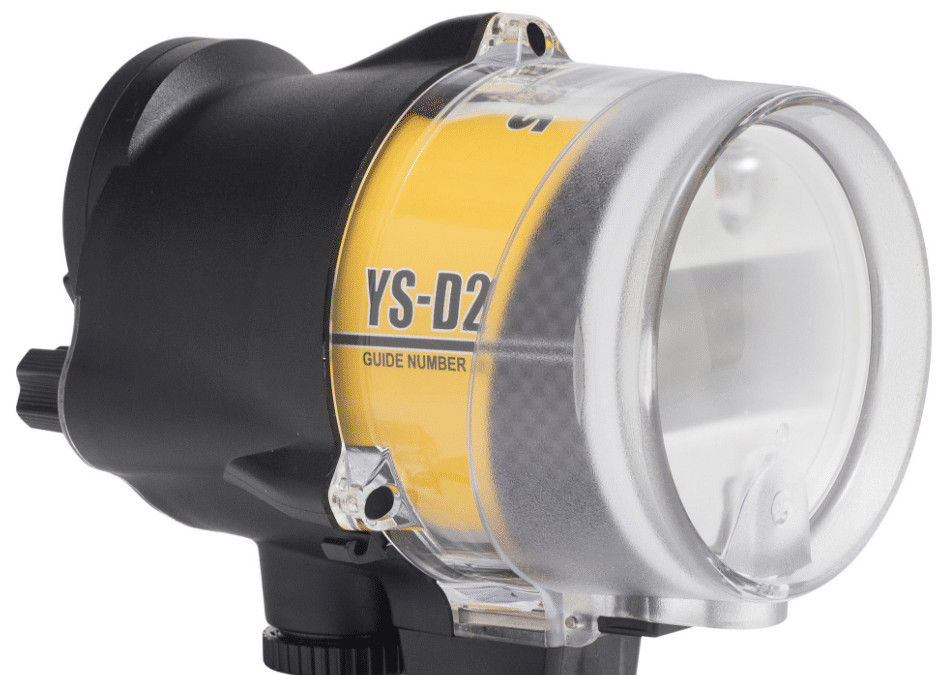
Three weeks before a Caribbean trip is a bad time to lose a strobe.
My YS-D2 had been showing signs of trouble at Hakai — locking up on full power, no middle ground, no negotiation. If you’ve shot with Sea&Sea long enough, you already know this failure mode. The TTL circuitry checks out and the strobe commits to one setting: maximum blast, every single frame. My YS-D1, sitting in the same rig for just as long, is still running perfectly. Of course it is.
With La Romana on the calendar, I didn’t have the luxury of waiting on a repair turnaround. I put the word out on Facebook and started making calls.
The Last Place I Expected
Innerspace Water Sports in Vernon had a pair of used strobes.
I didn’t have high expectations walking in — Vernon isn’t exactly a hub for underwater photography gear — but they had two used YS-27DX units sitting on the shelf. Older Sea&Sea models, not what I would have gone looking for in a perfect world. But I picked them up on the spot for a deal that I couldn’t refuse. I swapped in my own battery caps as the ones that came with the strobes showed signs of battery leakage, and suddenly, with a little battery compartment clean up, I had two functioning strobes again.
For the bright, clear water of the Caribbean at 25 metres, the YS-27DX is honestly more strobe than I need. They won’t push into the shadows of a cold BC wall the way a modern unit would. But for reef colour work and the kind of wide shots I’m planning in the Dominican Republic, they’ll do the job cleanly. And the price was right.
Problem solved. Trip saved. But it also pushed me into a conversation I should probably have had earlier: what actually comes next?
The Current Market is Thinner Than You’d Think
With the La Romana trip covered, I had time to properly evaluate what I wanted as a real replacement — not just whatever was available, but the right strobe for the next several years of work.
The Sea&Sea YS-D3 Duo was the obvious first candidate. Then I noticed Sea&Sea had already discontinued the standard YS-D3. That’s not a great sign for long-term parts and support on the Duo, and given that I’d just watched a YS-D2 fail in the exact way owners have been reporting for years, I wasn’t excited about making another bet on that line.
Inon used to be the other answer in this category. They’ve quietly exited the higher-powered strobe market. Their current lineup simply doesn’t cover wide-angle work the way I need.
That narrowed things down faster than I expected.
The Marelux Apollo S
The strobe that kept rising to the top of my research was the Marelux Apollo S. The price is competitive with the established names, but the beam angle and power output are what make it the right call for megafauna and wide-angle reef work. A wide, even beam matters more than raw guide numbers when you’re trying to fill a frame without hotspots. The Apollo S delivers that.
Marelux has been building a serious reputation in the housing market. The Apollo S feels like the same engineering sensibility applied to lighting — a considered product from a manufacturer that’s clearly in this for the long run.
I won’t be getting one before La Romana. The YS-27DX units are already packed and that’s what I’ll be shooting on for this trip. But when I get back, the first Apollo S goes on order. A second unit will follow a month or so after that — matched pairs mean consistent colour and predictable recycle times when you’re working a subject.
What the YS-D2 Actually Cost Me
The strobe itself is replaceable. What stays with me is the reminder that manufacturer stability is a real part of the buying decision now, not just specs on a data sheet. Key products getting discontinued, support timelines shrinking — the market has changed. When you’re building a lighting system meant to last, it’s worth asking not just what a strobe does, but whether the company behind it will still be around when something goes wrong.
More from La Romana soon.
-----
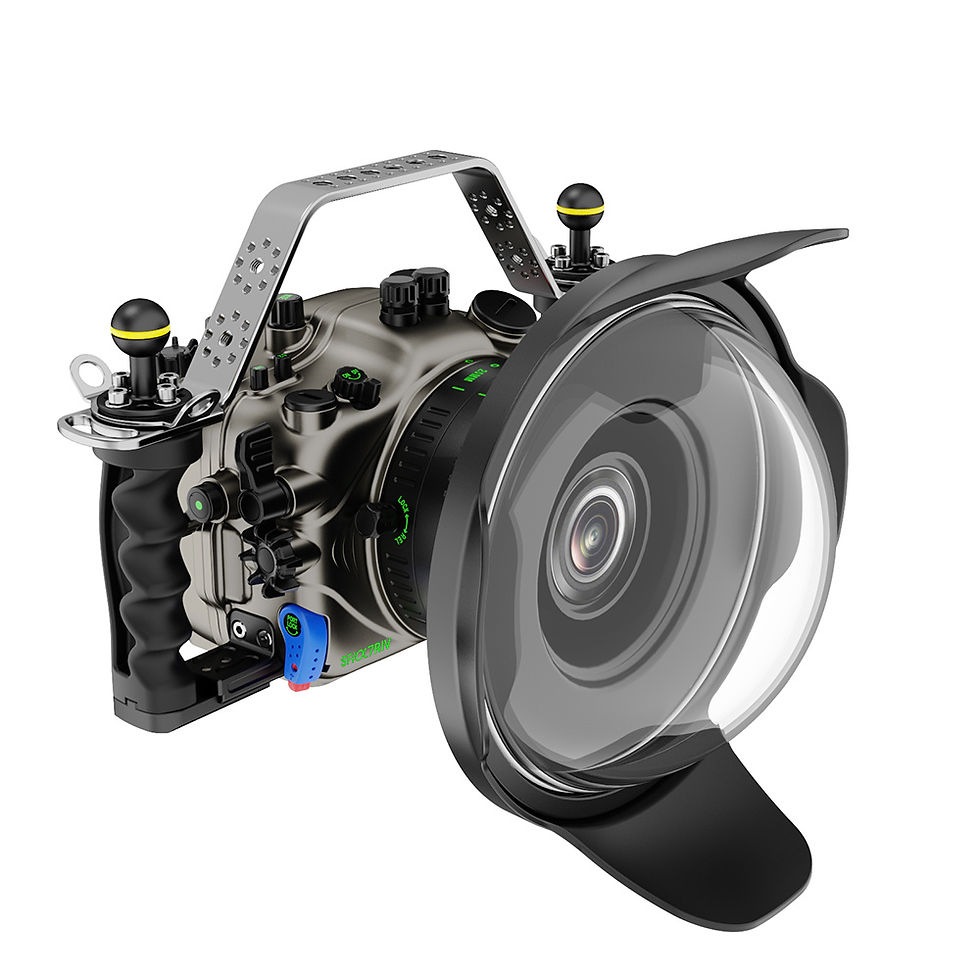
*Arthur shoots with a Sony a7R IV in a Seafrogs housing. Find him at UnderwaterwithArt.ca and on YouTube at UnderwaterWithArt.*

Comments