
Red Light, No Beep: A Lesson in Cold Water Photography Chaos

The dive had already tested us before we even hit the water.
Our entry at Edward Passage in Hakai was brutal — 75cm swells hammering the site, current shoving us sideways toward a rock wall the moment we surfaced. Getting down was a relief. At least underwater, the chaos had rules.
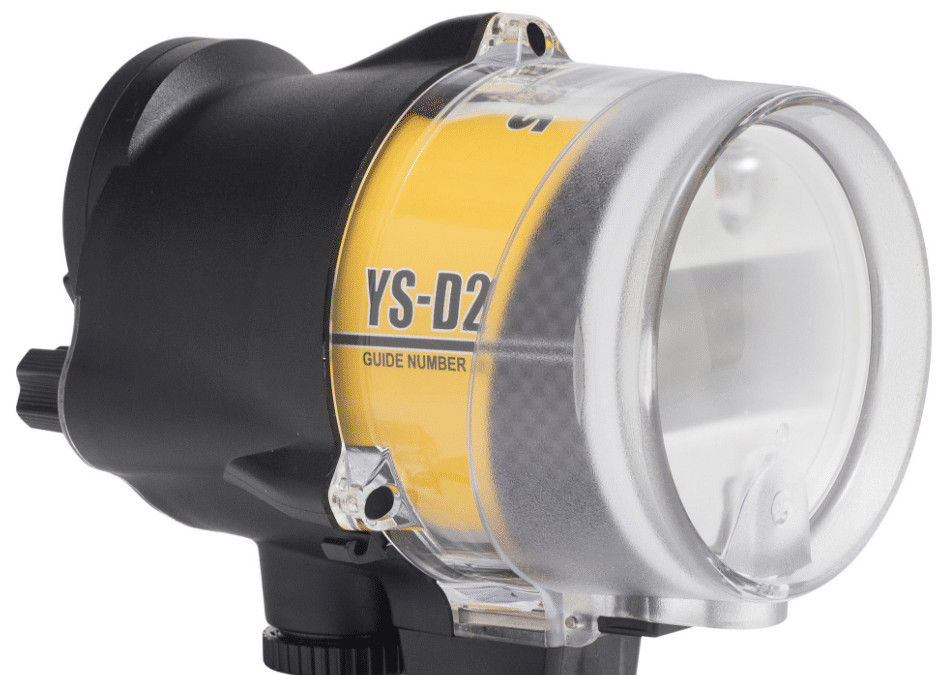
At 23m the viz opened up to a moody but workable 7m, a real improvement over the murk above 12m. A lingcod rocketed past like a shadow with an attitude, and tucked into the walls were clusters of plumose anemones — dense, ghostly white, exactly the kind of shot I came here for. My YS-D2 strobe had been giving me grief all dive, locking up on full power only, so I was working around it, managing exposures and hoping for the best.
The safety stop was its own adventure. No line, no buoy — just clinging to the rocks with surge pushing and pulling, my dome port inches from the wall, every instinct screaming don’t touch, don’t touch.
We made it out. Barely graceful, entirely alive.
Back on the dive boat for the 45-minute run back to the dock, I rinsed the camera in the freshwater tub and tried to decompress. The sea didn’t cooperate — it was a rough, wet, miserable ride. When we finally tied up at the dock, I glanced down into the tub and felt my stomach drop.
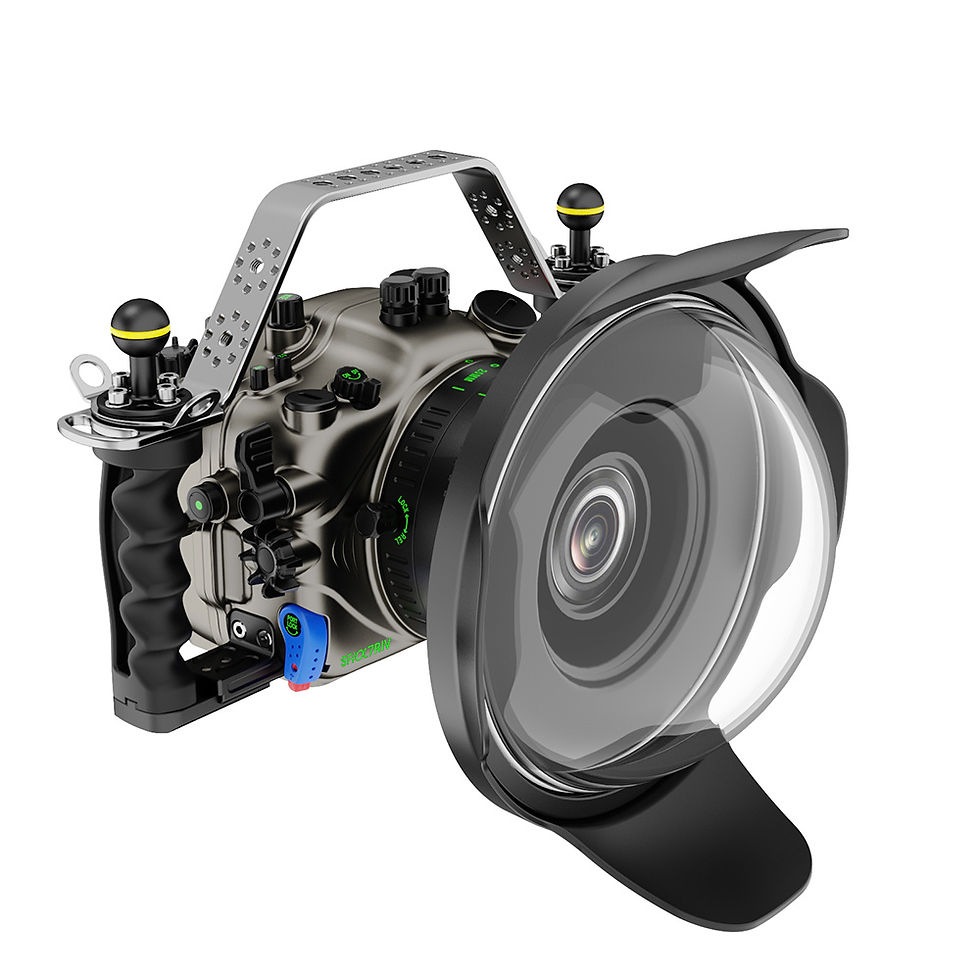
The vacuum indicator on my Seafrogs housing was glowing red.
I grabbed the rig, kept the dome pointed down, and moved fast toward the camera room. Once inside I released the remaining pressure — there was still a surprising amount in the system — and cracked the housing open, bracing for the worst.
It was bone dry.
Red light, no alarm, no water. I checked every seal, every surface. Nothing. I convinced myself it was a nuisance alarm, reset everything, and tried to put it out of my mind.
That evening we geared up for a night dive. Fresh vacuum pull, green light — all good. I carried the housing down to the dock, we splashed, and I spent about 45 minutes in the water before surfacing to collect my camera from a teammate. The moment he lifted it toward me, I saw it again.
Red light.
I waved him off, did the dive without it, and came up frustrated.
Back in the camera room I went through the whole checklist again. Still holding vacuum. Still no beeping. The housing was fine — mechanically, anyway. So what was setting off the indicator?
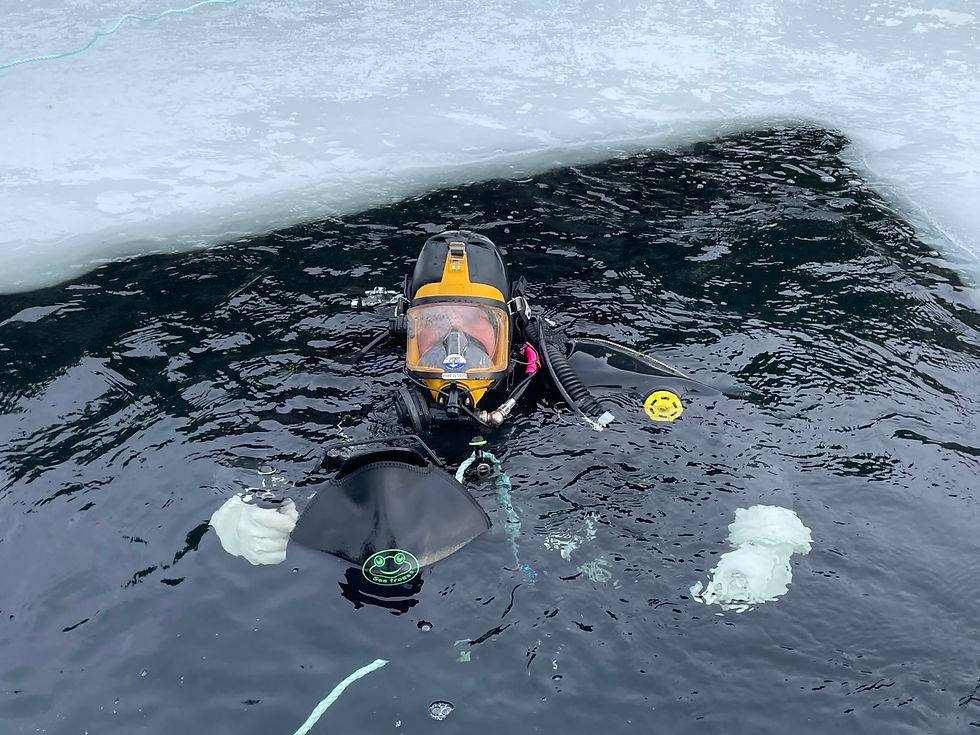
That’s when it clicked. I pulled the vacuum sensor battery — a CR2032 — and sure enough, it was nearly dead. Between the cold Pacific water at Hakai and a stretch of ice dives earlier in the season, the battery had drained faster than I expected. A depleted CR2032 apparently triggers a red light on the vacuum indicator, but without the audible alarm you’d normally associate with a seal failure.
New battery in. Problem gone. Not a single false reading since.
This wasn’t in the manual — at least not the one that came with my housing — and I spent two dives worth of stress thinking I had a seal problem. If your vacuum light goes red and there’s no beep, check the battery before you panic.
I made a full breakdown of my Seafrogs setup and how I troubleshoot it on my YouTube channel — find me at UnderwaterWithArt and check it out. It might save you a dive.

Comments